The most famous loan sharks in American history were made famous by courtrooms and newspapers, not by choice. Their stories, drawn from prosecutions and contemporary reporting, show how the trade evolved from office lending to organized crime, and why its glamorized screen version leaves out the arithmetic that actually ruins borrowers.
Daniel H. Tolman, king of the salary lenders
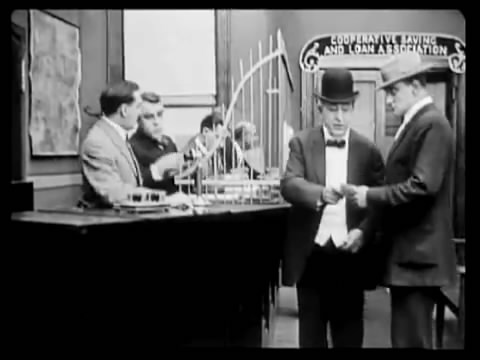
Decades before the mob entered the business, the country’s best known loan shark was a businessman. Daniel H. Tolman operated a chain of small loan offices across dozens of American cities around 1900, lending against workers’ wages at rates contemporaries put at several hundred percent a year once his fees were counted. He avoided usury laws with paperwork fictions and kept borrowers paying with the threat of telling their employers. New York prosecuted him in 1913, and the sentencing judge told him that he had preyed upon the necessities of the poor. His era is covered in the history of loan sharks.
Arthur Ham, the man who hunted the salary lenders
Every famous villain deserves a famous opponent. Arthur H. Ham was a young economist hired by the Russell Sage Foundation, where from 1910 he directed its Division of Remedial Loans and ran the national campaign that broke the salary lenders. Ham’s insight was strategic: prosecution alone had failed for thirty years because borrowers still needed money. His campaign paired exposure of lenders like Tolman with the promotion of licensed lending and credit unions, and produced the Uniform Small Loan Law, first drafted in 1916, which legalized supervised small loans at regulated rates. It remains the most successful anti loan shark policy ever attempted, and its logic still drives our alternatives to loan sharks page a century later.
Sam DeStefano and the Chicago juice racket
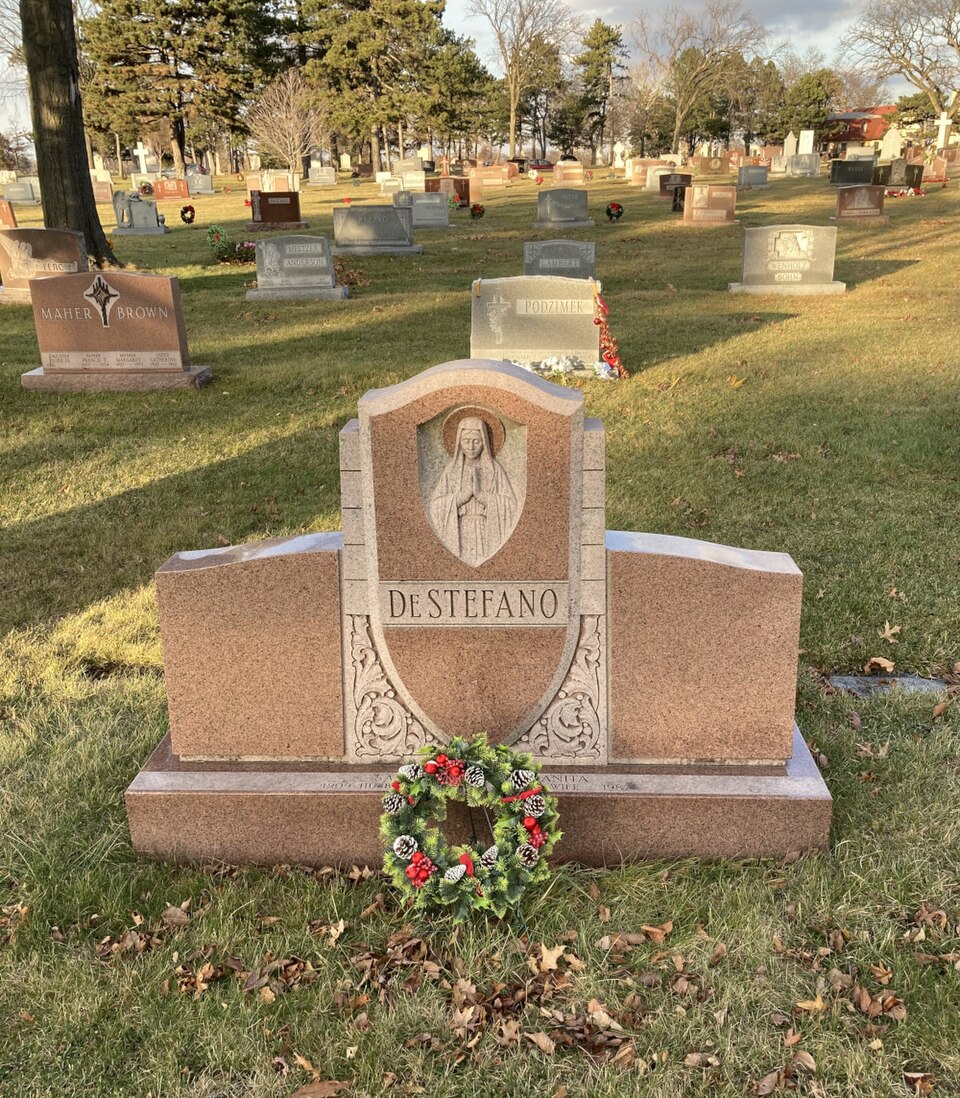
In mid century Chicago, illegal loans were called juice, and the city’s most infamous juice man was Sam DeStefano, a lender associated with the Chicago Outfit whose brutality toward debtors became notorious even by mob standards before his murder in 1973. Law enforcement of the period treated the juice racket as one of organized crime’s biggest earners, a business measured in millions of dollars of street money at six for five terms.
Ruby Stein and Jiggs Forlano, bankers of the New York streets
New York’s loan shark economy of the 1960s ran on wholesale credit. Charles Ruby Stein and Nicholas Jiggs Forlano operated as financiers to other criminals, putting mob money on the street through networks of smaller lenders and taking their percentage of the vig. Investigations of the era described them among the city’s biggest shylock bankers. Stein’s murder in 1977 became one of the period’s most retold mob stories, a reminder that the trade consumed its own as readily as its customers.
Paul Vario, the crew Hollywood made famous
Paul Vario, a capo in New York’s Lucchese crime family, ran rackets from a Brooklyn junkyard and taxi stand that included one of the city’s steadier loan sharking operations. His crew became the most famous in America without most people knowing his name: associate Henry Hill’s testimony and Nicholas Pileggi’s book Wiseguy became the film Goodfellas, with Paul Sorvino’s Paul Cicero playing Vario in all but name. Vario died in federal prison in 1988. The film kept the swagger and dropped the arithmetic, which is the usual trade, as discussed in the fictional section below.
Gennaro Angiulo and the wired headquarters
Boston’s loan shark economy of the 1960s and 1970s ran through Gennaro Jerry Angiulo, underboss of the New England family, from an office at 98 Prince Street in the North End. In 1981 the FBI planted microphones inside that office, and for months the bugs recorded the daily administration of gambling and loan sharking in the participants’ own words, some of the most complete primary source material on the racket ever gathered. The tapes anchored the 1986 racketeering convictions of Angiulo and his brothers. He died in 2009, and the recordings remain a staple of organized crime scholarship.
Anthony Salerno and the corporate era of the racket
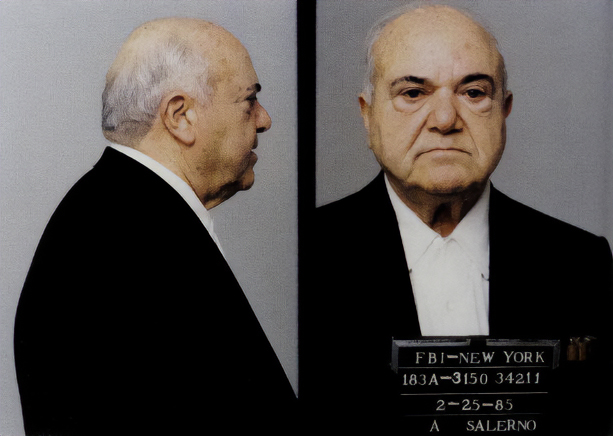
By the 1980s the business had scaled. Anthony Fat Tony Salerno, boss of the Genovese crime family, was described by federal prosecutors and the business press as controlling one of the country’s largest loan sharking operations alongside gambling and construction rackets. He was convicted in the 1986 Mafia Commission trial and died in prison. His generation’s story, and the federal laws written to end it, are told in loan sharks and organized crime.
The famous fictional loan sharks
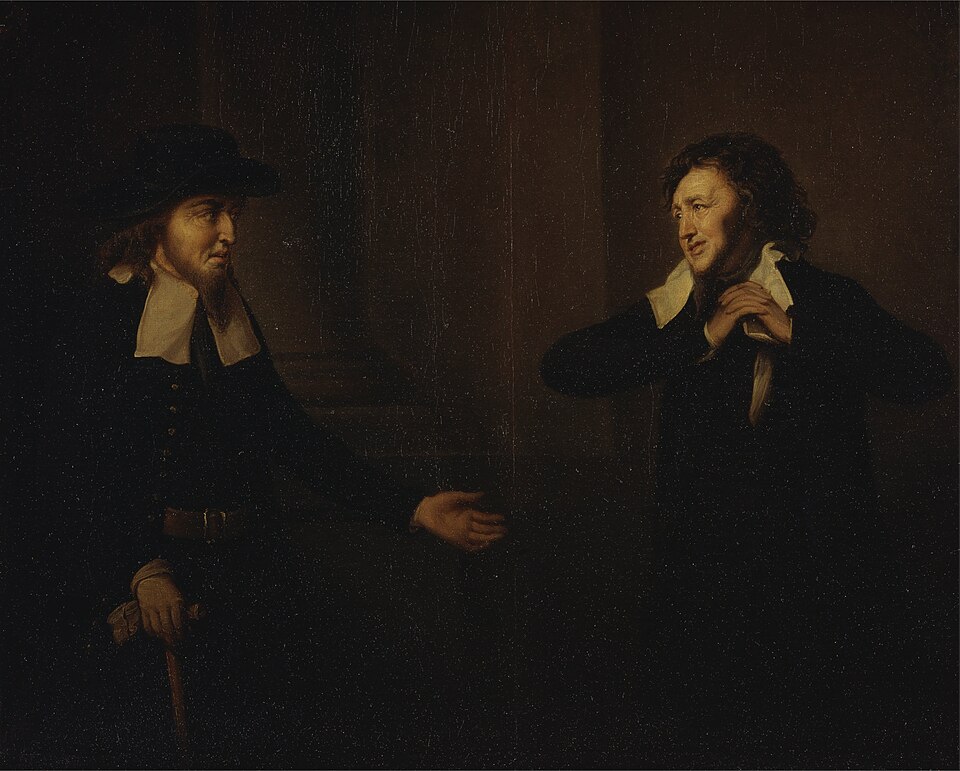
Fiction has done as much as fact to shape the image. Shakespeare’s Shylock in The Merchant of Venice gave the trade a name still used in New York, shylocking. Gazzo in Rocky showed the neighborhood lender as almost sympathetic employer. The Sopranos returned again and again to gambling debts compounding into ruin, and Uncut Gems built two hours of dread from the arithmetic of a debt that will not stay still. The screen versions get one thing right, the debt’s momentum, and one thing wrong: in reality the violence is rare and the grinding, permanent interest is the whole business, as the numbers in loan shark interest rates show.
What the famous cases have in common
Across a century, every famous loan shark ran the same product: small money fast, interest that never resolves, and a threat that fits the era, whether a letter to your employer, a visit from a collector, or a message to everyone in your phone. The pattern is recognizable in advance, which is the point of loan shark warning signs, and escapable, which is the point of how to get out of loan shark debt.
Timeline: loan sharking in America
- 1880s to 1900s: Salary lenders spread through American cities, lending against wages at several hundred percent a year.
- 1907: The Russell Sage Foundation is established and soon turns to the small loan problem.
- 1910: Arthur Ham takes over the foundation’s Division of Remedial Loans and launches the national anti loan shark campaign.
- 1913: Daniel Tolman, the most notorious salary lender, is convicted in New York.
- 1916: The first Uniform Small Loan Law is drafted, creating legal licensed small lending; states adopt versions over the following decades.
- 1933: Prohibition ends, and organized crime moves bootlegging capital into street lending at six for five.
- 1951: The televised Kefauver hearings introduce Americans to organized crime’s rackets.
- 1965: New York’s State Commission of Investigation publishes its landmark loan shark racket report.
- 1967: The President’s Crime Commission identifies loan sharking as organized crime’s second largest revenue source after gambling.
- 1968: Congress makes extortionate credit transactions a federal crime, 18 U.S.C. sections 891 to 894.
- 1970: RICO gives prosecutors a weapon against entire criminal enterprises.
- 1981: FBI microphones inside Angiulo’s Boston headquarters record the racket running day to day.
- 1986: The Mafia Commission trial convicts New York’s bosses, including Anthony Salerno.
- 2010s to today: Illegal lending migrates to websites, apps, and social media; England’s 2022 estimate puts over a million people in illegal lenders’ books.
Sources and further reading
For research purposes, cite primary and scholarly sources directly wherever possible. The literature below is where this page’s history comes from, and where a college paper should go next:
- Mark H. Haller and John V. Alviti, “Loansharking in American Cities: Historical Analysis of a Marginal Enterprise,” American Journal of Legal History 21, no. 2 (1977). The foundational academic study.
- Robert Mayer, Quick Cash: The Story of the Loan Shark (DeKalb: Northern Illinois University Press, 2010). The best single-volume history.
- Anne Fleming, City of Debtors: A Century of Fringe Finance (Cambridge: Harvard University Press, 2018). The salary lending era and its regulation.
- Russell Sage Foundation, The Loan Shark Campaign, on Arthur Ham’s crusade.
- “Fishing for Loan Sharks,” Perspectives on History, American Historical Association (2018). An accessible overview of small-sum lending reform.
- Loan Sharks and Loan Shark Legislation in Illinois (1916), a Progressive Era investigation readable in full at the Internet Archive.
- New York State Commission of Investigation, The Loan Shark Racket (1965). The key mid-century government study.
- President’s Commission on Law Enforcement and Administration of Justice, Task Force Report: Organized Crime (1967).
- John M. Seidl, “Upon the Hip: A Study of the Criminal Loan-Shark Industry” (PhD dissertation, Harvard University, 1968).
- Centre for Social Justice, Swimming with Sharks (2022), the leading modern study of illegal lending. Our statistics page collects current figures with sources.
Citing this page
Students and researchers are welcome to cite this page. Suggested formats:
APA: LoanSharks.com. (2026, August 27). Famous loan sharks: The real figures behind the legend. https://www.loansharks.com/loan-sharks/famous-loan-sharks/
MLA: “Famous Loan Sharks: The Real Figures Behind the Legend.” LoanSharks.com, 27 Aug. 2026, www.loansharks.com/loan-sharks/famous-loan-sharks/.
Chicago: LoanSharks.com. “Famous Loan Sharks: The Real Figures Behind the Legend.” Last modified August 27, 2026. https://www.loansharks.com/loan-sharks/famous-loan-sharks/.
Individuals named here are deceased historical figures described from court records, government investigations, and established journalism. This page is general information, not legal advice. Last reviewed and expanded August 27, 2026.